

Hey there! As a supplier of Bag Filter, I often get asked about the difference between a pulse jet bag filter and a reverse air bag filter. So, I thought I'd write this blog to clear up any confusion and help you understand which one might be the best fit for your needs.
How They Work
Let's start with the basics of how these two types of bag filters operate.
Pulse Jet Bag Filter
A pulse jet bag filter is like a high - tech cleaning machine for industrial dust. The dirty air enters the filter chamber. Inside, there are a bunch of filter bags. As the air passes through these bags, the dust particles get trapped on the outer surface of the bags.
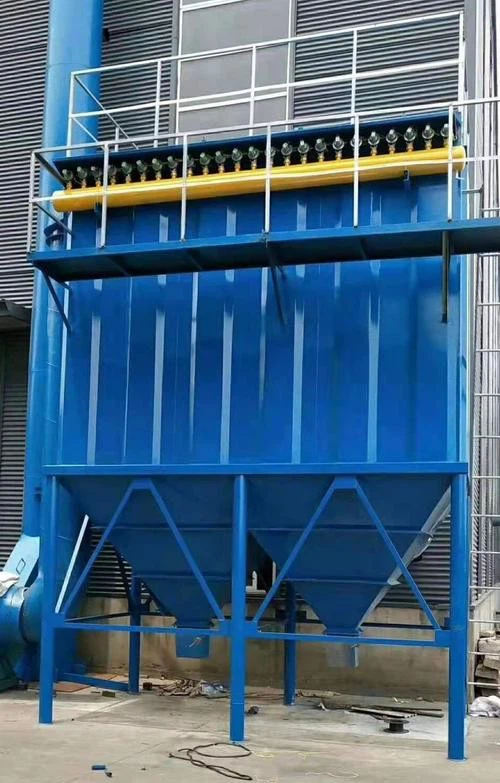
The real magic happens during the cleaning process. At regular intervals, short, high - pressure blasts of compressed air are sent into the bags. These blasts are so powerful that they make the bags flex suddenly. This flexing action shakes off the accumulated dust from the bags, and the dust falls into a hopper at the bottom of the filter for collection. It's a super - fast and efficient way of cleaning the bags, which means the filter can keep running continuously without much downtime.
Reverse Air Bag Filter
The reverse air bag filter works a bit differently. When the dirty air comes in, it also goes through the filter bags, and the dust gets caught on the bags. But for cleaning, instead of using compressed air pulses, it uses a reverse flow of air.
A fan blows clean air in the opposite direction of the normal airflow. This reverse airflow gently expands the bags and dislodges the dust. The process is a bit slower compared to the pulse jet system because the air has to work more gradually to remove the dust. Also, during the cleaning process, the filtration in that particular section of the filter has to be stopped temporarily. So, there's a bit more downtime involved compared to a pulse jet bag filter.
Performance and Efficiency
Filtration Efficiency
Both types of bag filters are great at removing dust, but they have some differences in efficiency.
Pulse jet bag filters are known for their high - efficiency filtration. Because of the powerful cleaning mechanism, the bags can maintain a relatively clean surface most of the time. This means that the pressure drop across the filter remains stable, and the filter can achieve a very high level of dust removal. It can handle a wide range of dust particle sizes, from large to very fine particles, with an efficiency of up to 99.9%.
Reverse air bag filters also have good filtration efficiency. However, since the cleaning process is slower and less aggressive, there might be a bit more dust buildup on the bags over time. This can lead to a slightly higher pressure drop across the filter, which might require more energy to keep the airflow going. But overall, they can still achieve an efficiency of around 99%.
Capacity and Throughput
If you have a large - scale industrial operation with a high volume of dirty air to filter, a pulse jet bag filter might be your best bet. It can handle a higher airflow rate because it can clean the bags quickly and keep the filtration process going without long interruptions.
On the other hand, reverse air bag filters are better suited for applications where the airflow rate is more moderate. They can still handle a decent amount of air, but the slower cleaning process means they might not be able to keep up with extremely high - volume operations as well as a pulse jet filter.
Maintenance and Operating Costs
Maintenance
Maintenance is an important factor to consider when choosing a bag filter.
Pulse jet bag filters have a relatively simple maintenance routine. The main thing you need to watch out for is the compressed air system. You have to make sure the air compressors are working properly, and the air lines are free of blockages. The filter bags also need to be inspected regularly, but because of the effective cleaning mechanism, the bags usually last longer.
Reverse air bag filters require more maintenance in terms of the mechanical components. The fans used for the reverse airflow need to be checked and maintained regularly. Also, since the cleaning process is more gentle, there's a higher chance of dust bridging or sticking to the bags, which might require more frequent manual cleaning or bag replacement.
Operating Costs
When it comes to operating costs, the pulse jet bag filter has an edge in some ways. The compressed air used in the pulse jet system does cost money, but the fact that it can operate continuously with minimal downtime means it can save on labor costs. Also, because it has a lower pressure drop and better filtration efficiency, it might use less energy in the long run.
Reverse air bag filters, on the other hand, have lower upfront costs for the cleaning system (no need for a high - pressure air compressor). But the additional downtime for cleaning and the potentially higher energy consumption due to the higher pressure drop can make the long - term operating costs a bit higher.
Applications
Pulse Jet Bag Filter
Pulse jet bag filters are widely used in industries where high - volume dust collection is required, such as cement plants, power generation facilities, and metalworking industries. They're also great for applications where continuous operation is crucial, like in food processing plants where any interruption in the production process can be costly.
Reverse Air Bag Filter
Reverse air bag filters are often used in applications where the dust is less abrasive and the airflow rate is not extremely high. They're commonly found in industries like woodworking, textile manufacturing, and some chemical processing plants.
Other Considerations
Noise Level
Pulse jet bag filters can be a bit noisy, especially when the compressed air pulses are released. The sudden bursts of air create a loud noise, which might be a concern in some work environments. You might need to install sound - dampening equipment if noise is an issue.
Reverse air bag filters are generally quieter because the reverse airflow is a more gentle and continuous process. So, if noise is a big factor in your workplace, a reverse air bag filter might be a better choice.
Space Requirements
Pulse jet bag filters are usually more compact in design. They don't need a large space for the cleaning mechanism, which means they can be installed in smaller areas.
Reverse air bag filters might require more space because of the additional fans and ductwork needed for the reverse airflow. So, if space is limited in your facility, a pulse jet bag filter might be more suitable.
Conclusion
So, there you have it! The main differences between a pulse jet bag filter and a reverse air bag filter come down to how they work, their performance, maintenance, and application suitability.
If you're running a high - volume industrial operation that needs continuous filtration, a pulse jet bag filter is probably the way to go. It offers high efficiency, low downtime, and relatively low long - term operating costs.
On the other hand, if you have a more moderate - volume application, less abrasive dust, and noise or space is a concern, a reverse air bag filter could be a better fit.
As a Bag Filter supplier, I'm here to help you make the right choice for your specific needs. If you're interested in learning more about our bag filters or have any questions, feel free to reach out. We can also offer you other dust removal equipment like Vortex Wet Dust Collector and Deep Wet Electrostatic Precipitator. Let's have a chat and find the best solution for your dust collection requirements.
References
- Industrial Dust Collection Handbook
- Dust Filtration Technology Journal